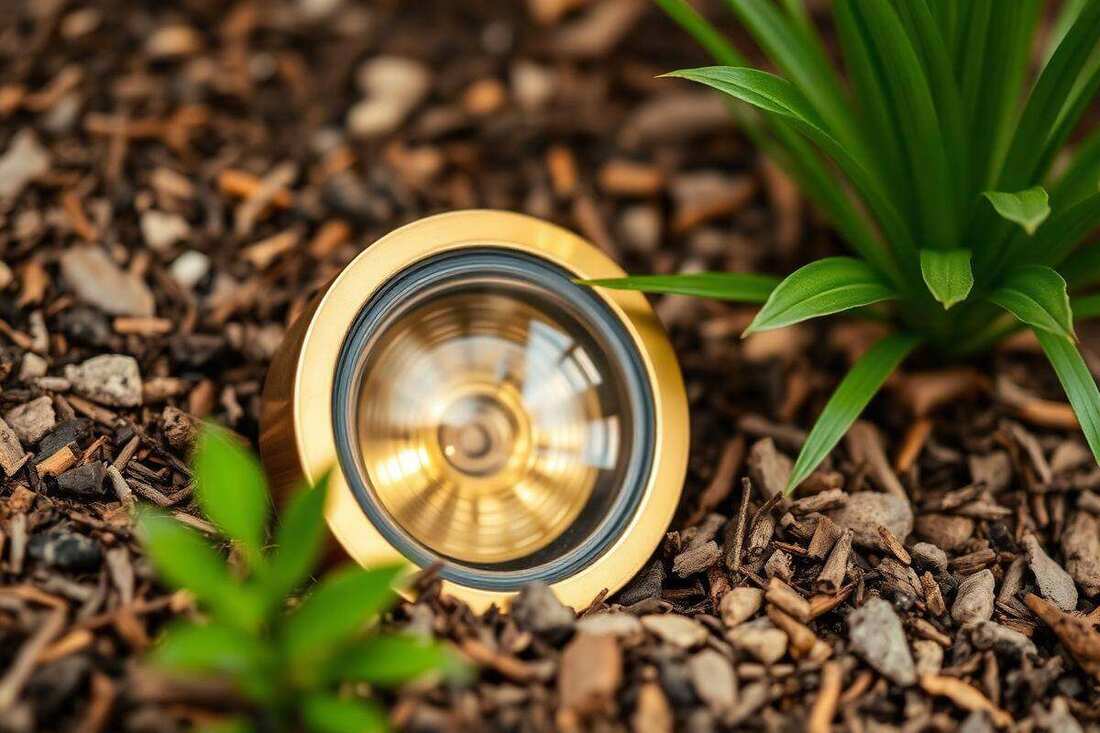
Homeowners ask us this every spring: when is the best time of year to install landscape lighting? The honest answer is that almost any season works for a quality low-voltage install, but a few windows are clearly better than others — both for pricing and for getting the design right the first time. Knowing when to book and what to expect at each season makes the project smoother and usually cheaper.
This guide breaks down the real tradeoffs across spring, summer, fall, and winter, plus when to schedule the design walk versus the actual install. If you're planning a landscape lighting project in the next 12 months, this is the order to think about it in.
Spring Is the Most Popular Season, and the Most Expensive
Spring — roughly March through early June — is peak season for outdoor lighting installs. Homeowners are spending time outside again, gardens are coming in, and curb appeal projects are top of mind. Demand spikes hard from mid-April through Memorial Day, which means two things: lead times stretch to 4–8 weeks at quality installers, and pricing rarely has any flexibility. If you call in May expecting a June install, you're often looking at July.
Spring installs do have a real advantage: the design is being built around the landscape you actually want to light. Beds are mulched, trees have leafed out, and you can see exactly which features matter. The downside is that the install crew is working around brand-new plantings, which slows trenching and can damage tender growth.
Summer Has the Best Weather and the Worst Visibility
Summer installs go fast because the weather cooperates — no frozen ground, no rain delays, long working days. The catch is that summer evenings stay light until 9pm or later in most of the country, which makes the on-site design walk much harder. A good landscape lighting designer needs full dark to aim each fixture and confirm the scene reads the way it should. In June and July that means returning at 10pm or later for the aim-and-adjust visit, and not every installer will do it.
If you're scheduling a summer install, insist on a written post-install night aim visit included in the price. Without it, you're paying for fixtures that may be pointed at the wrong leaf or washing out the wrong wall, and you won't notice until October when nights get long enough to see clearly.
Fall Is the Sleeper Pick
September through early November is, in our opinion, the single best window to install landscape lighting. The weather is still mild, ground is workable, demand drops sharply after Labor Day, and lead times shrink from 6 weeks back down to 1–2. Pricing softens slightly because crews are no longer fully booked, and night design walks happen at a civilized 7:30 or 8pm instead of midnight.
Fall installs also let you enjoy the system through the entire holiday season and into the dark months when landscape lighting matters most. A system installed in October has six full months of long dark evenings to prove itself before spring growth changes the scene. That's the ideal feedback loop for a homeowner who wants to fine-tune the design in year two.
Winter Installs Are Cheaper and Often Underrated
Late November through February is the cheapest season to install landscape lighting in most of the country, and it's a season most homeowners don't even consider. Quality installers have open calendars, often offer 10–20% off published pricing, and can usually start within 1–2 weeks of contract.
The real constraint is ground condition. In climates where the ground freezes hard, trenching becomes slow, expensive, or impossible — the crew has to use surface clips, mulch burial, or rock cover for the cable, all of which look fine but require revisiting in spring. In milder climates (USDA zones 7 and warmer) winter is genuinely the smartest season to book.
The other underrated winter advantage: bare deciduous trees expose the actual trunk and branch structure. Up-lighting decisions made in January, when you can see the real architecture of a tree, almost always look better in summer than designs done in July when the canopy hides everything.
Schedule the Design Walk Separately from the Install
Whatever season you pick, the single biggest determinant of whether your landscape lighting looks designed or installed is the night design walk — a 60–90 minute evening visit where the designer walks the property with sample fixtures, tests positions, and confirms scenes before any wire goes in the ground.
Book the design walk at least 3–4 weeks before the install. Quality designers will do the walk, sketch a fixture-by-fixture plan, and only then schedule the crew. Cheap installers skip the night walk entirely and aim fixtures in daylight using guesswork — which is exactly why so many landscape lighting systems look generic regardless of fixture quality.
What This Means If You're Planning a Project
If aesthetics matter most: book a design walk in early fall and install in October. If price matters most: book a winter install in a mild climate. If you have a major landscape renovation underway: wait until plantings are in, then book the install for the fall after the work is done. If you're tied to a hard summer deadline (a graduation party, wedding, anniversary): book the install in March or April, not May or June.
The worst time to book is the second week of May, when every installer in the country has a 6-week backlog and every homeowner suddenly wants lighting for Memorial Day weekend. Plan one season ahead of when you want the lights to be on, and you'll get a better designer, a better price, and a system that's properly aimed and dialed before the season you actually want to enjoy it.
Key takeaways
- Spring Is the Most Popular Season, and the Most Expensive
- Summer Has the Best Weather and the Worst Visibility
- Fall Is the Sleeper Pick
- Winter Installs Are Cheaper and Often Underrated
- Schedule the Design Walk Separately from the Install
Frequently asked
- What's the takeaway from "When Is the Best Time of Year to Install Landscape Lighting?"?
- The best time to install outdoor landscape lighting, when to schedule a designer, and how seasonal weather affects install cost, scheduling, and final results.
- Do you install outdoor lighting nationwide?
- Yes — across 30+ states and growing. Browse the locations directory for your city.
Related services
Featured service areas
Keep reading
How to Choose Landscape Lighting Fixtures That Last 10+ Years
A homeowner's guide to picking outdoor landscape lighting fixtures, transformers, bulbs, and wiring that survive a decade outside without fading, corroding, or failing.
Permanent Holiday Lighting Cost, Pros and Cons (2025 Buyer's Guide)
Permanent holiday lighting (Trimlight, Jellyfish, Everlights) explained: real installation cost, how it works, warranty red flags, and the questions to ask before you sign.