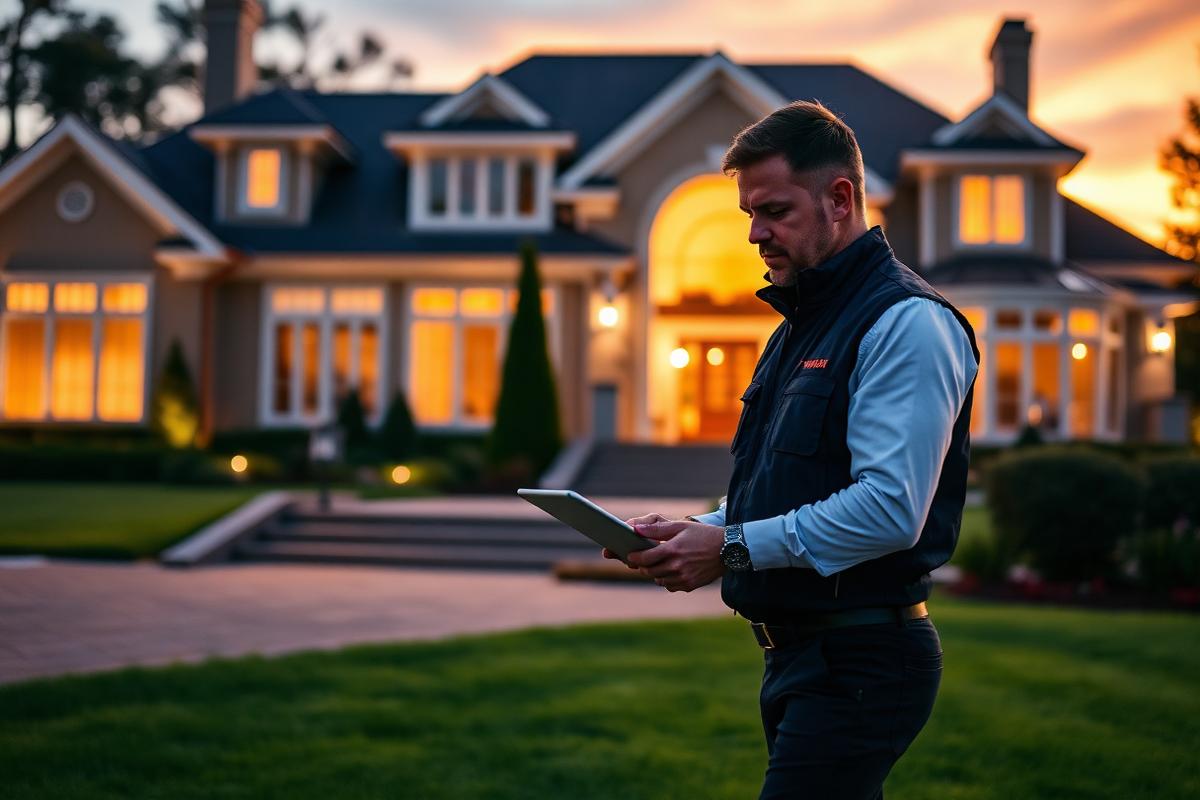
Outdoor lighting is one of the highest-ROI improvements a homeowner can make for both curb appeal and resale value, and one of the most underestimated. Real estate agents, appraisers, and home stagers consistently rank lighting in the top tier of features that influence buyer perception — yet most homes for sale show only basic dusk-to-dawn fixtures and no real landscape lighting design.
This guide covers what the data actually says about lighting and home value, which lighting investments pay back, and how to think about outdoor lighting as a return-on-investment decision rather than a pure aesthetic one.
What the Data Says
Multiple residential real estate studies over the past decade have found that quality outdoor lighting:
- Increases perceived home value by 5–15% in buyer surveys, depending on neighborhood and property type - Reduces time on market by 15–30% for homes with professional landscape lighting versus comparable homes without - Returns 50–80% of the original installation cost at resale for well-designed systems - Is consistently ranked in the top 5 'curb appeal' factors by real estate agents
The wide range in those numbers reflects how much execution matters. A $15,000 professional landscape lighting design returns most of its cost at sale. A $15,000 spend on cheap floodlights returns very little — and may actively hurt the home's perceived quality.
The Three Highest-ROI Lighting Investments
Among all the lighting categories homeowners can spend on, three consistently produce the best return at resale:
**1. Facade Lighting.** Lighting the front of the home is the single highest-impact outdoor lighting decision. The facade is what every buyer sees first in evening showings, listing photos, and drive-bys. A well-lit facade defines the entire perceived quality of the home. Budget $3,500–$8,000 for facade lighting and it'll show up in listing photography, agent walkthroughs, and buyer first impressions.
**2. Tree Up-Lighting on Mature Trees.** Mature trees on a property are already a major value driver — lighting them at night extends their value into evening showings and makes the property feel established and well-cared-for. Each major up-lit tree costs $500–$1,500 to light properly and adds visible value disproportionate to that spend.
**3. Permanent Holiday Lighting.** Permanent roofline lighting that doubles as accent lighting year-round is a strong selling feature in the right market — particularly in suburban neighborhoods where the buyer pool skews toward families. It's less of a positive in urban or minimalist markets where buyers may view it as ostentatious. Know your market.
Investments With Lower or Negative ROI
Not every lighting category produces positive ROI at resale.
**Bright security floodlights** in front of the home almost always hurt curb appeal. They make the property feel defensive rather than welcoming. The same security function can be achieved with motion-activated lighting on side and rear faces, kept off the front facade.
**Color-changing RGB landscape lighting** is polarizing. It's a positive for some buyers and a negative for others. If you're installing it primarily to improve resale, choose color-tunable warm-white (2200K–4000K range) rather than full RGB — buyers see it as 'flexible' rather than 'theatrical.'
**Heavily themed lighting** (matched fixtures throughout, custom controlled scenes, integration with elaborate home automation) tends to favor the homeowner's specific taste in ways that don't transfer well to new owners. Buyers may see the complexity as a liability rather than a feature.
Lighting and Listing Photography
Almost every residential listing in 2026 includes both daytime and twilight photos. The twilight shot — typically taken 20–40 minutes after sunset — is consistently the most-engaged photo in most MLS listings. A home with no outdoor lighting design can't produce a compelling twilight shot, period. The photographer can underexpose the sky to make it dramatic, but the home itself will look dark and uninviting.
A home with even a basic landscape lighting system shoots beautifully at twilight. The facade reads warmly, the trees and landscape glow softly, and the property looks lived-in and inviting. This single piece of marketing leverage justifies a meaningful portion of the lighting investment by itself.
Showings After Dark
Most evening showings, particularly in fall and winter when nights are long, happen after sunset. A property without outdoor lighting is showing in the dark — buyers can't see the yard, the architecture is invisible, and the entire showing happens by the front porch light alone.
A well-lit property shows beautifully after dark. Buyers can actually see what they're buying, the property feels welcoming as they arrive, and they spend more time exploring the exterior. Real estate agents consistently report longer showing times and stronger buyer interest on properties with quality landscape lighting.
Investment Tiers and Expected Returns
For a homeowner thinking about resale value, here's the rough ROI by spending tier:
- $0–$2,000: minimal investment, minimal impact. Replace cool-white bulbs with 2700K warm-white, add 2–3 quality fixtures at the front entrance. ROI is high in percentage terms but low in absolute dollars.
- $5,000–$10,000: meaningful facade and entry lighting, 3–5 tree up-lights, basic path lighting. ROI typically 60–80% at resale; the system also produces strong twilight listing photography. This is the right tier for most homes priced in the $400K–$900K range.
- $12,000–$25,000: full landscape lighting design with facade, trees, paths, accents, and integrated controls. ROI typically 50–70% at resale; the system becomes a meaningful marketing feature, not just a curb appeal improvement. This is the right tier for homes priced $900K–$2.5M.
- $30,000+: full architectural lighting integration, smart controls, color-tunable accents, hardscape integration. ROI varies widely by market. Best for luxury properties where the lighting design itself is a selling feature.
When to Invest If You're Planning to Sell
The right timing is 12–18 months before listing. That gives the landscape time to grow into the design, gives you a season or two to refine and re-aim the lighting, and ensures the system looks settled by the time listing photography happens. A lighting design installed two weeks before listing always looks new in a way that reads as 'staged' rather than 'lived-in.'
If you're investing primarily for resale, focus on the front facade, the entry walkway, and the primary trees visible from the street. Skip the rear-yard accent lighting unless the rear yard is a major selling feature (pool, view, outdoor kitchen). Buyers form their impression in the first 30 seconds at the front of the home.
Key takeaways
- What the Data Says
- The Three Highest-ROI Lighting Investments
- Investments With Lower or Negative ROI
- Lighting and Listing Photography
- Showings After Dark
Frequently asked
- What's the takeaway from "How Outdoor Lighting Affects Curb Appeal and Home Resale Value"?
- Real data on how outdoor lighting affects residential curb appeal, real estate marketing, and resale value — plus the specific lighting investments that pay back best.
- Do you install outdoor lighting nationwide?
- Yes — across 30+ states and growing. Browse the locations directory for your city.
Related services
Featured service areas
Keep reading
How to Choose Landscape Lighting Fixtures That Last 10+ Years
A homeowner's guide to picking outdoor landscape lighting fixtures, transformers, bulbs, and wiring that survive a decade outside without fading, corroding, or failing.
Permanent Holiday Lighting Cost, Pros and Cons (2025 Buyer's Guide)
Permanent holiday lighting (Trimlight, Jellyfish, Everlights) explained: real installation cost, how it works, warranty red flags, and the questions to ask before you sign.